


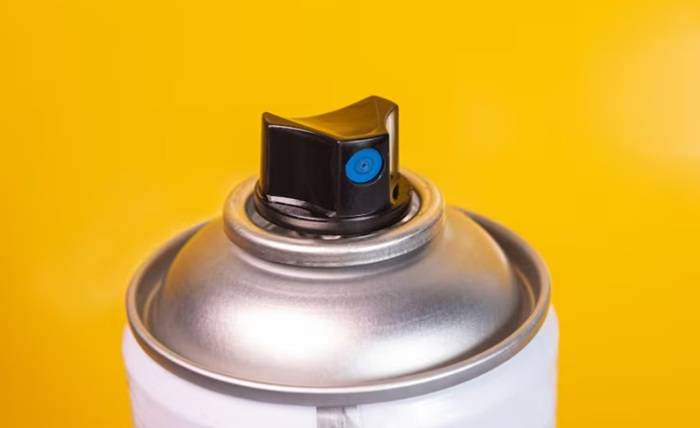
The choice of the right lubricant helps the machines move freely and wear out a moving part as they move in normal operations. The silicone spray will offer light protection where oil based products will offer greater coverage. The performance of each type can be improved, damage prevention, and overall maintenance decisions can be made well with the help of the understanding of how each type functions.
Basic Function Of Lubricants
Lubricants reduce friction, prevent wear, support smooth motion across moving surfaces during operation, while maintaining a balance between parts, which helps systems run efficiently without damage across components that depend on steady movement for proper function daily
Composition And Material Differences
Silicone spray uses synthetic compounds creating a light coating, while oil lubricants rely on thicker base substances, which provide deeper penetration across metal surfaces, supporting heavy movement tasks requiring strong lubrication for long-lasting system performance.
Surface Compatibility And Suitability
Silicone spray works well on plastic and rubber materials, while oil lubricants suit metal surfaces, which guarantees proper lubrication without causing harm across diverse material types used in tools requiring exact care during upkeep processes today.
Residue And Clean Surface Impact
Silicone spray leaves a clean finish without buildup, while oil lubricants can attract dust particles, which leads to residue formation across parts requiring regular cleaning to maintain smooth movement during continued use across system components.
Moisture Protection And Resistance Level
Silicone spray resists moisture effectively, protecting surfaces from water exposure, while oil lubricants offer less shield, which makes silicone more appropriate for areas where moisture presence may affect system function over time.
Friction Reduction Strength Comparison
Oil lubricants reduce friction strongly across heavy moving parts, while silicone spray supports lighter motion, which helps maintain proper function depending on system requirements across applications needing either deep or light lubrication methods.
Temperature Handling And Stability Range
Silicone spray remains stable across temperature changes, while oil lubricants may change thickness, which impacts performance across systems requiring consistent lubrication during varying environmental conditions, affecting operational efficiency over time.
Application Method And Ease of Use
Silicone spray spreads evenly through a fine mist, reaching tight areas, while oil lubricants require manual application, which may limit coverage across parts needing consistent lubrication during routine system maintenance tasks.
Maintenance Effort And Cleaning Needs
Silicone spray reduces cleaning effort due to low residue, while oil lubricants require regular wiping, which ensures proper function across systems, depending on clean surfaces for smooth operation during continuous work cycles.
Cost Efficiency And Practical Value
Oil lubricants offer a cost-effective solution for heavy tasks, while silicone spray may cost more but provides cleaner results, which supports a better choice depending on maintenance needs across different system applications today
Environmental Safety And Impact Factors
Silicone spray produces less contamination, while oil lubricants may create buildup affecting surroundings, which makes silicone a safer option for areas requiring cleaner operation during routine maintenance across working systems.
Common Selection Tips Guide
Choosing the right lubricant ensures better performance.
- Match lubricant type with material surface, ensuring safe use across components requiring proper compatibility during maintenance tasks each day
- Consider movement level before applying, ensuring correct lubrication strength across systems requiring either light or heavy support
- Check exposure conditions, ensuring proper resistance across surfaces affected by moisture or temperature changes during system operation
- Apply the correct amount, avoiding excess buildup, which may affect performance across moving parts during continuous working cycles
- Maintain regular checks, ensuring lubricant effectiveness across systems requiring consistent care during routine maintenance schedules
Choosing the right lubricant depends on usage needs, surface type, and upkeep goals. The silicone spray suits clean applications while oil products support heavy-duty tasks. Understanding these differences helps improve system life, reduce repair effort, and ensure smooth operation across tools requiring reliable care through proper silicone spray use.